Four lives.One unfinished fight.

From a man born into slavery to a woman who lived to see the century turn. Read in this order, the four books stop being four biographies and become one argument that never finished.

4 books  ·  about 4 hours end to end  ·  £2.99 / $2.99 each  ·  free with Kindle Unlimited

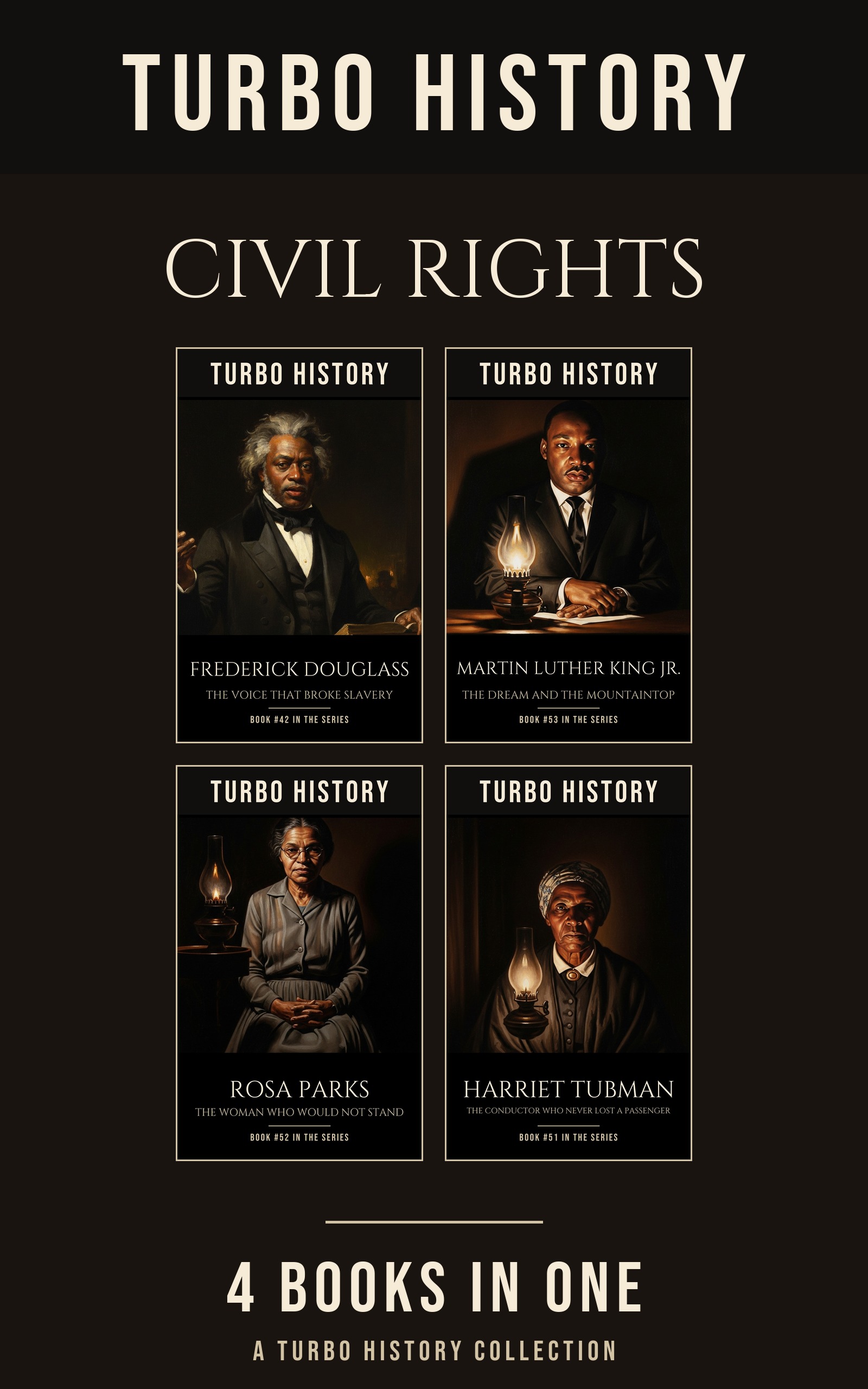
Frederick Douglass book coverHarriet Tubman book coverMartin Luther King Jr. book coverRosa Parks book cover

The usual way this history is taught puts a century of silence between abolition and the movement, as though nothing connected them. These four lives make that hard to believe. Douglass, born into slavery in Maryland, proves in print that the entire justification for the system is a lie. Tubman, born into slavery a few counties away, does the same thing with her feet and a pistol. Then King and Parks take the fight into a country where slavery is gone and the arrangement it was built to serve is not. Two Marylanders, an Alabamian and a Georgian, and the same argument in all four mouths.

So the order follows when each life ends, which puts Rosa Parks last even though her arrest in December 1955 is what put Martin Luther King in front of a crowd. That is deliberate. Parks lived until 2005, decades past the movement's headline years, and reading her last means finishing with the long aftermath rather than the famous speech. Every book stands alone. Read in sequence, the century between book two and book three becomes the loudest thing on the page.

Four books, an hour each, about four hours in all. These are introductions to lives, not a history of American slavery or of the movement, and slavery and racial violence are described directly rather than softened. If you already know this ground well, you will find it brisk.

The reading path

4 books, in the order that makes each one hit harder than it would alone.

01

Frederick Douglass: The Voice That Broke Slavery book cover

Frederick Douglass - The Voice That Broke Slavery

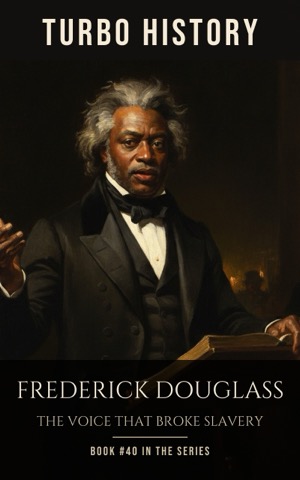
Start here because Douglass is the first of the four to make the case in public, and he makes it with his own life. Born into slavery on the Eastern Shore, taught to read in defiance of his enslaver, escaped north in 1838 and published his account in 1845. He then had to leave the country for two years because the book named names and made him recapturable. He spent the rest of a long life arguing, editing and refusing to let the argument close.

Read the book
02

Harriet Tubman: The Conductor Who Never Lost a Passenger book cover

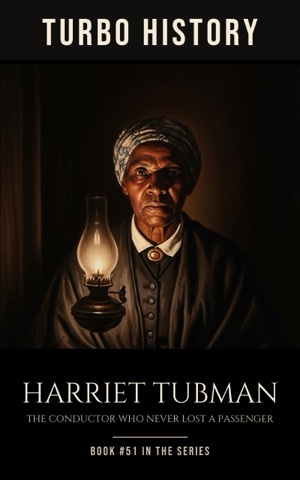
Harriet Tubman - The Conductor Who Never Lost a Passenger

Second, because Tubman answers Douglass in the only other language available: she went back. Having escaped in 1849, she returned to Maryland roughly thirteen times and brought out around seventy people, and said she never lost a passenger. During the war she scouted for the Union and helped lead the Combahee River raid in 1863, which freed more than seven hundred. She waited decades for the pension the government owed her.

Read the book

03

Martin Luther King Jr.: The Dream and the Mountaintop book cover

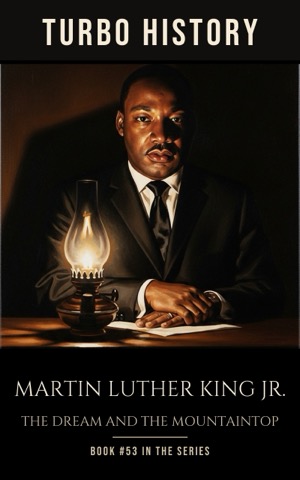
Martin Luther King Jr. - The Dream and the Mountaintop

Third, and the shock of the jump is the point: a century has passed and the argument has barely moved. A twenty-six-year-old minister is handed the Montgomery bus boycott in 1955, and twelve years later he has a Nobel Prize, two federal Acts and a bullet on a motel balcony in Memphis. The book keeps the last year in view, when he turned to poverty and to Vietnam and lost a good deal of his support for it.

Read the book

04

Rosa Parks: The Woman Who Would Not Stand book cover

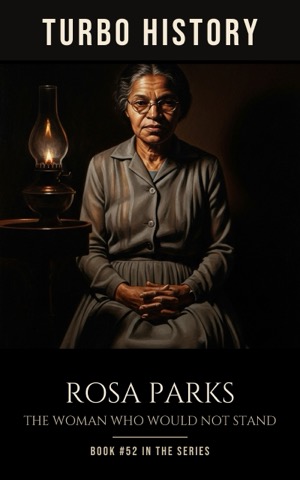
Rosa Parks - The Woman Who Would Not Stand

Finish here, because Parks lived longest into the aftermath and knew best how the story got flattened. She was not a tired seamstress who happened to sit down; she had been secretary of the Montgomery NAACP for twelve years and had trained for exactly this. Her arrest on 1 December 1955 started the boycott that started book three. She then lost her job, left Alabama, and spent another five decades at it in Detroit.

Read the book
End of the path

Four books, and none of them ends with the problem solved. Lincoln and the Civil War sit alongside these in the American shelves, and are the obvious next step if you want the political machinery that the first two books were pushing against.

The Civil Rights Collection: 4 Books in One cover

The whole path, one book

The Civil Rights Collection: 4 Books in One

Every book on this page in a single Kindle edition - 4 complete histories, one download, free with Kindle Unlimited or $6.99 to keep.

Get the Collection on Amazon
Fair warning

These are not academic books. You will not find footnotes to chase, family trees to memorise, or ten pages on the logistics of a treaty. Every book ends with a page of proper ones to go to next if you want that depth. If you want the story and the big picture in an hour, you are home.

Civil Rights books go free most weekends.

Most weekends one Turbo History book goes completely free on Amazon, and often it is one of these. Leave your email and we will tell you which one, before it goes back to full price.

If you liked Civil Rights

Same series, same hour, next to the ones you have just read.